Transzerowaste Team Finds the Best Materials that could be heated in a Gigantic Microwave for Recyling Steel Residues
The researchers of the Microwave Division (DIMAS-ITACA) at UPV have identified the target compositions and mixtures that would be efficiently heated inside the microwave reactors, as well as the most suitable materials for transport and thermal insulation compatible with the microwave environment and high temperature conditions.
The study has been conducted within Transzerowaste, a European project promoted by 12 partners, and could be the first step to upgrade low-quality iron ores and by-products, enhance impurity separation and boost recycling rates for low-quality scrap, thus contributing to climate-neutral, circular industrial value chains.
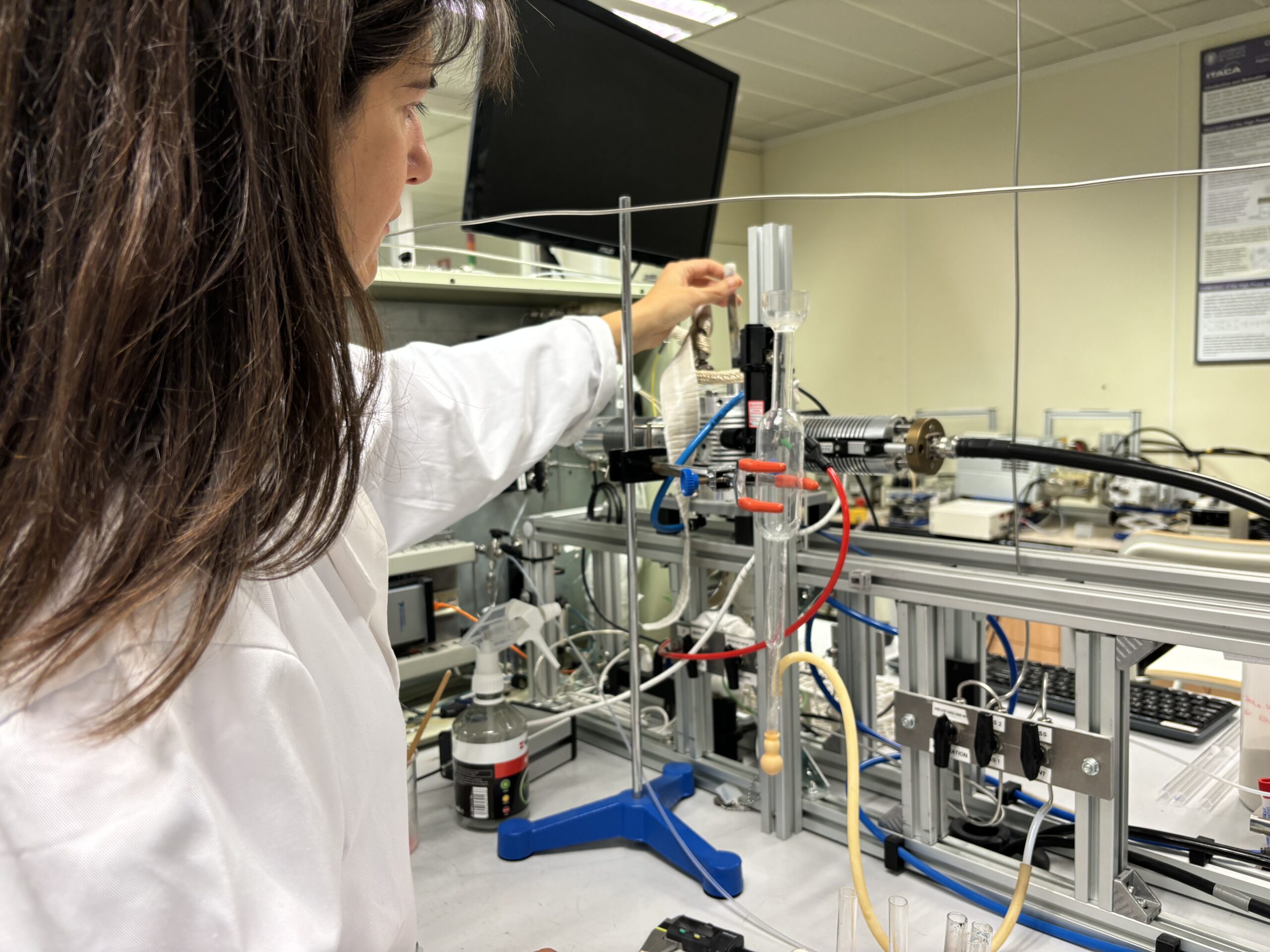
“We have studied the mixtures that are going to be processed and we have observed which are those that best heat and in which temperature conditions they react,” explains Beatriz García-Baños, researcher at DIMAS-ITACA. “Besides, we have identified those constructive materials that could be used for transport, such as ceramic tubes, or for thermal insulation, and that are also compatible with microwaves,” adds the researcher. In this sense, Quartz and some magnesia spinels have been identified in the study as the most suitable materials for using inside a microwave reactor, because the energy would be absorbed by the target materials and not by these materials.
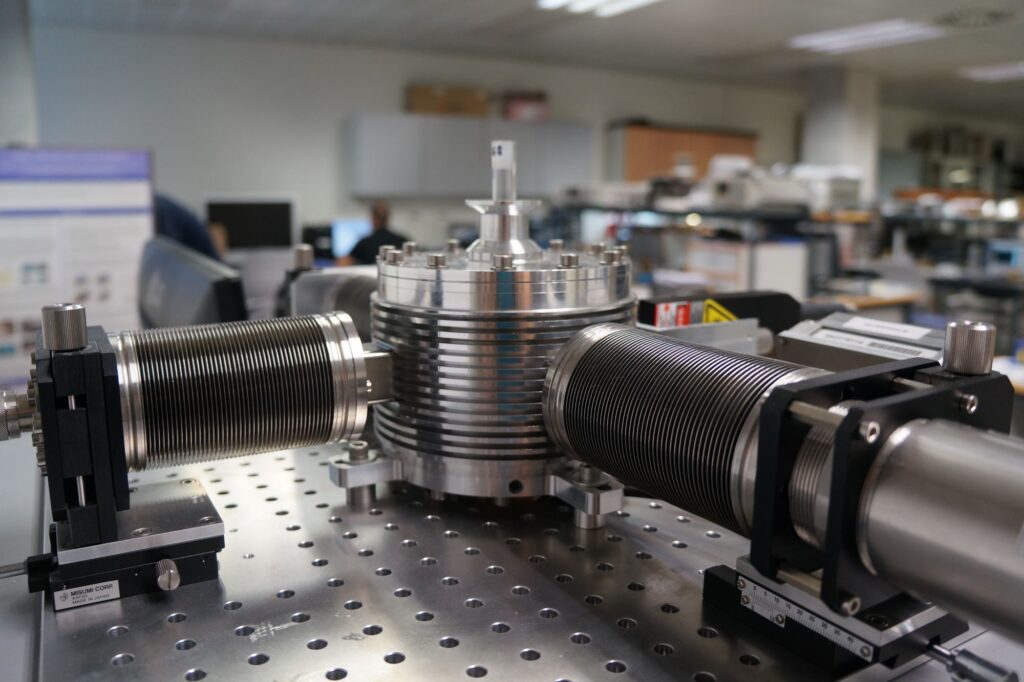
The importance of investigating the use of microwave technology to upgrade low-quality iron ore with steel plant residues as e.g. dust and sludge lies on the advantages of this technology, but is crucial researching how the materials react at so high temperatures. The design of microwave applicators is intended within the project, but requires the knowledge of dielectric properties of raw material composition and those other constructive materials that will be present inside the microwave reactors. These properties provide key information about the materials’ behaviour under the electromagnetic field, and about their capacity to be heated by the microwave energy, thus are crucial data to design the microwave reactors and processes.