Project

FLEXHYON

Flexible hybrid electrical systems for sustainable process intensification on-demand and where required

Recognizing the significance of energy efficiency in industry and carbon emissions reduction, FLEXHYON is proposing a clever combination of alternative fully electrified heating systems (microwave, heat pumps, ultrasound) to tackle three specific industrial processes: ultrafast drying of compact material, drying of granular materials and distillation/extraction of ground material to address their urgent need to transition from fossil energy to renewable and low-carbon energy sources.
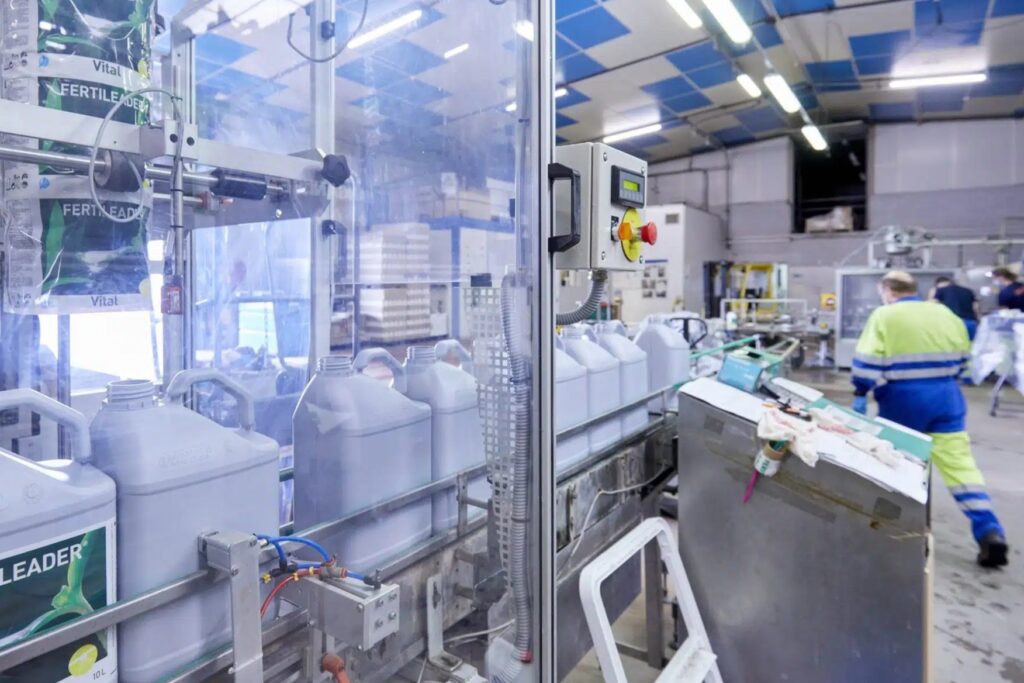
Three optimized prototypes will be built and demonstrated in 3 industrial environments: ceramics, feed production, biomass. The quality and economic impact of the developments will be evaluated using LCA and LCC; environmental and technical performances, health protection, safety will be demonstrated and validated. Sound market strategies will be developed, giving clear indications on scalability, transferability and replicability across different industrial sectors, commercialization and deployment will be achieved through development and validation of set of business models for the 3 business cases.

The FLEXHYON solutions will exhibit significantly higher energy efficiency in comparison to traditional fossil fuel-based heating technologies, therefore leading to a reduction in GHG emissions, maximizing primary energy savings, and enabling higher production flexibility (e.g. production on-demand, production on-site). Their scalability (upscaling, downscaling) will allow to better follow market demand and enable leaner production paradigms.”

 

FLEXHYON Read More »

AI-MetPro

Precise Control of Singular Microwave Field Distributions through AI-Calibrated Simulations for Advanced Processing in Metallurgy

Increasing environmental and security restrictions in the automotive sector are forcing the industry to shift from steel towards the development of more sustainable and cost-efficient light alloys manufacturing technologies for structural components (i.e. aluminium and magnesium). However, these manufacturing technologies nowadays still incur in high production costs. Therefore, a new paradigm in metal parts manufacturing is targeted that will allow implementing lightweight metal components with improved performance, while reducing energy and resource consumption, able to replace current steel structural components in industrial mass production lines.

Die Casting (DC) is nowadays a recognized technology for the production of aluminium parts, especially Aluminium components used in the transport industry. To improve their performance and extend their durability, DC produced parts can be densified with High Isostatic Pressure (HIP). The possibility of applying microwave technology to perform this heat treatment has been already demonstrated in a previous project with the same partners (HIPPERWAVES), leading to important energy savings and reduced processing times.


However, the quality of the produced parts is dramatically dependent on the temperature profile achieved by the metal parts during the heating process. This project proposes a ground-breaking Artificial Intelligence-based tool able to tailor the temperature profiles inside the microwave reactor. The method relies on the development of accurate multiphysic 3D models that include electromagnetic and thermal equations and provide the basis for the AI-based optimization of the desired thermal profiles. This novel system would be the basis to produce metal parts with exceptional properties, due to the ultrafast, volumetric and optimized microwave heating process applied to metal powders.

Although results from the state of the art proved that metallic powdered materials can be efficiently heated by microwaves, the developments proposed in this project will suppose a technological breakthrough supported in the ambitious undertaking of the following challenges: (1) development of new 3D multiphysic models including strategies for modifying the electric field distribution; (2) approaches to tailor specific microwave heating thermal profiles from AI-based machine-learning processes; (3) adequate designs to ensure proper interaction between microwaves and target materials; (4) fully operative control routines and protocols linked to products quality and security aspects.

AI-MetPro Read More »

General assembly of DESTINY project

On March 22nd, the DESTINY partners gathered in Spain for the 8th General Assembly of the project, held with the aim of discussing the final achievements towards the realization of a functional, green and energy saving, scalable and replicable solution, employing microwave energy for continuous material processing in energy intensive industries.


General assembly of DESTINY project Read More »

HIPPERWAVES

High Performance and Cost-Effective Microwave Processing of Metal Parts with Ultra High Isostatic Pressing

The automotive industry is under increasing pressure from environmental and security regulations, driving a crucial shift from traditional steel to more sustainable and cost-efficient light alloys such as aluminium and magnesium. Despite their advantages, the current manufacturing technologies for these materials still face high production costs.

Die Casting (DC) is a well-established technology for producing aluminium parts, particularly for the transport industry. High Isostatic Pressure (HIP) can be applied to DC-produced parts for densification to enhance the performance and durability of these components.

The HIPPERWAVES project aims for a pioneering technology that combines HIP processes with an advanced microwave reactor (MW-HIP). This innovative system promises an efficient and rapid method for producing metal parts with exceptional properties, leveraging the ultrafast and volumetric nature of microwave heating applied to metal powders.

The microwave technology developed in the HIPPERWAVES project will revolutionize the manufacturing and post-processing of metal components, offering unprecedented superior properties. This advancement will significantly enhance the efficiency of HIP processes, resulting in substantial cost reductions. Integrating this technological leap will dramatically streamline the production process, leading to significant material and energy savings and improved component quality.

Preliminary laboratory trials indicate that the application of microwave energy in the HIP process can reduce processing time dramatically, potentially increasing productivity by an order of magnitude and lowering associated costs by a factor of ten.

The HIPPERWAVES project is supported by a strong partnership between two leading entities. The Microwave Division of the ITACA Insitute of the Universitat Politécnica de València (ITACA-DIMAS UPV) brings unparalleled expertise in microwave technology, while ROVALMA S.A., an R&D-intensive SME, excels in the development of steels and other alloys. This interdisciplinary collaboration integrates extensive experience in materials science, mechanics, and industrial design, ensuring the project’s success through their combined expertise and resources.

HIPPERWAVES Read More »

ATRIC 4.0

Accelerating the transition towards sustainable, digital and circular Industry 4.0, with new processing technologies, AI and industrial symbiosis to maximise the recovery of combustion waste in the infrastructure sector and reduce CO2 emissions

Waste management is one of the main challenges modern society must face due to its increasing generation and significant environmental, social, and economic impacts. Waste represents a substantial loss of resources, both material and energetic.

The ATRIC 4.0 project, ” Accelerating the transition towards sustainable, digital and circular Industry 4.0, with new processing technologies, AI and industrial symbiosis to maximise the recovery of combustion waste in the infrastructure sector and reduce CO2 emissions,” will provide solutions for the transition of the process industry. This will be achieved through the use of industrial waste and gaseous streams to obtain high-value products in construction and industry. From a circular and digital approach, it will address the dual problem of increased waste production and the depletion of resources available for the development, maintenance, and improvement of infrastructures. It will incentivize value chain stakeholders, enhancing data transparency and fidelity to achieve maximum resource efficiency.

The project will aim to achieve a higher level of circularity (45%) for new high-value secondary raw materials contained in combustion waste and new processes to obtain base cement materials with a lower carbon footprint. They will also seek to reduce CO2 emissions by 20%, capturing and recovering carbon as a renewable energy vector and incorporating the use of renewable energy. This is a step towards a greener, more sustainable future.

The consortium formed for developing the ATRIC 4.0 industrial research project is multidisciplinary, multisectoral, and interregional. It includes companies capable of developing the research lines proposed in this project, thereby increasing the value of current products and services. The consortium comprises eight companies (4 large enterprises, two medium-sized enterprises, and two tech SMEs) and nine top-tier research organizations that will support the companies.

ATRIC 4.0 Read More »

Scroll to Top