Unlocking microwave heating on the Moon: What do temperature-dependent permittivity measurements reveal about lunar regolith?
Researchers from DIMAS-ITACA (Universitat Politècnica de València) and the Surrey Space Centre have demonstrated that lunar regolith could be used to build roads, landing pads, and buildings on the Moon’s surface. The researchers have proved that lunar rocks, or regolith, can be heated more efficiently and rapidly using microwaves than with conventional methods such as furnace heating.
Lunar regolith is a dielectric material which can be efficiently heated to melting temperature using microwave energy. Sintered or melted regolith can then be used as feedstock to construct infrastructure on the Moon, including landing pads, roadways and habitats, making this material the focus of numerous studies aimed at enabling in-situ lunar construction.
One of the main challenges is identifying the most efficient, rapid, and sustainable way to process this material. The new research conducted by the DIMAS-ITACA Laboratory and the Surrey Space Centre shows that microwave heating could provide the optimal solution.
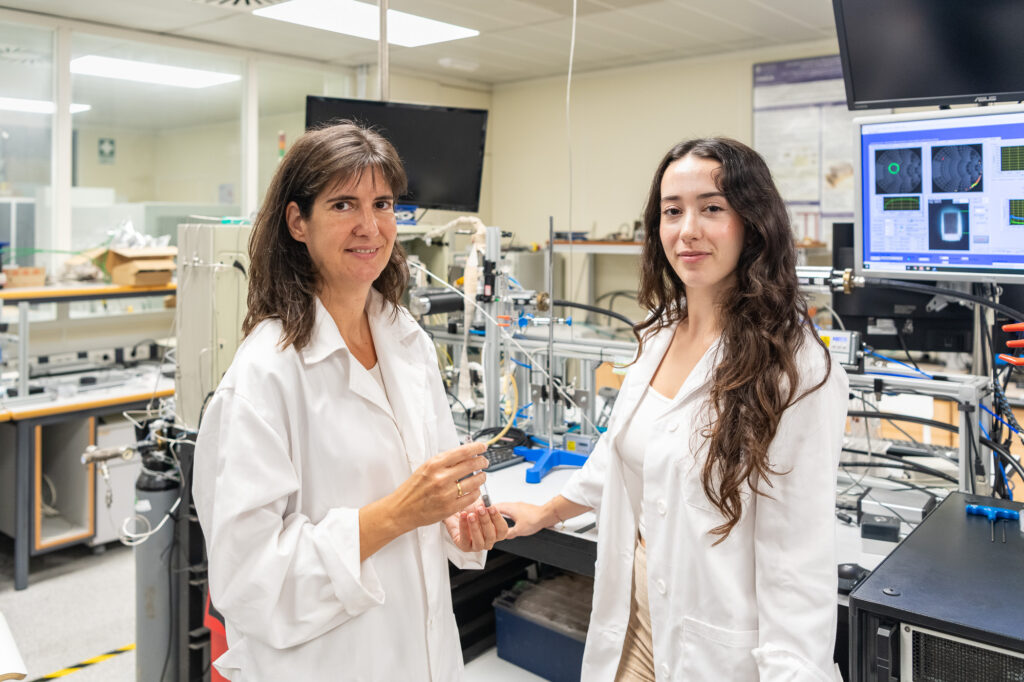
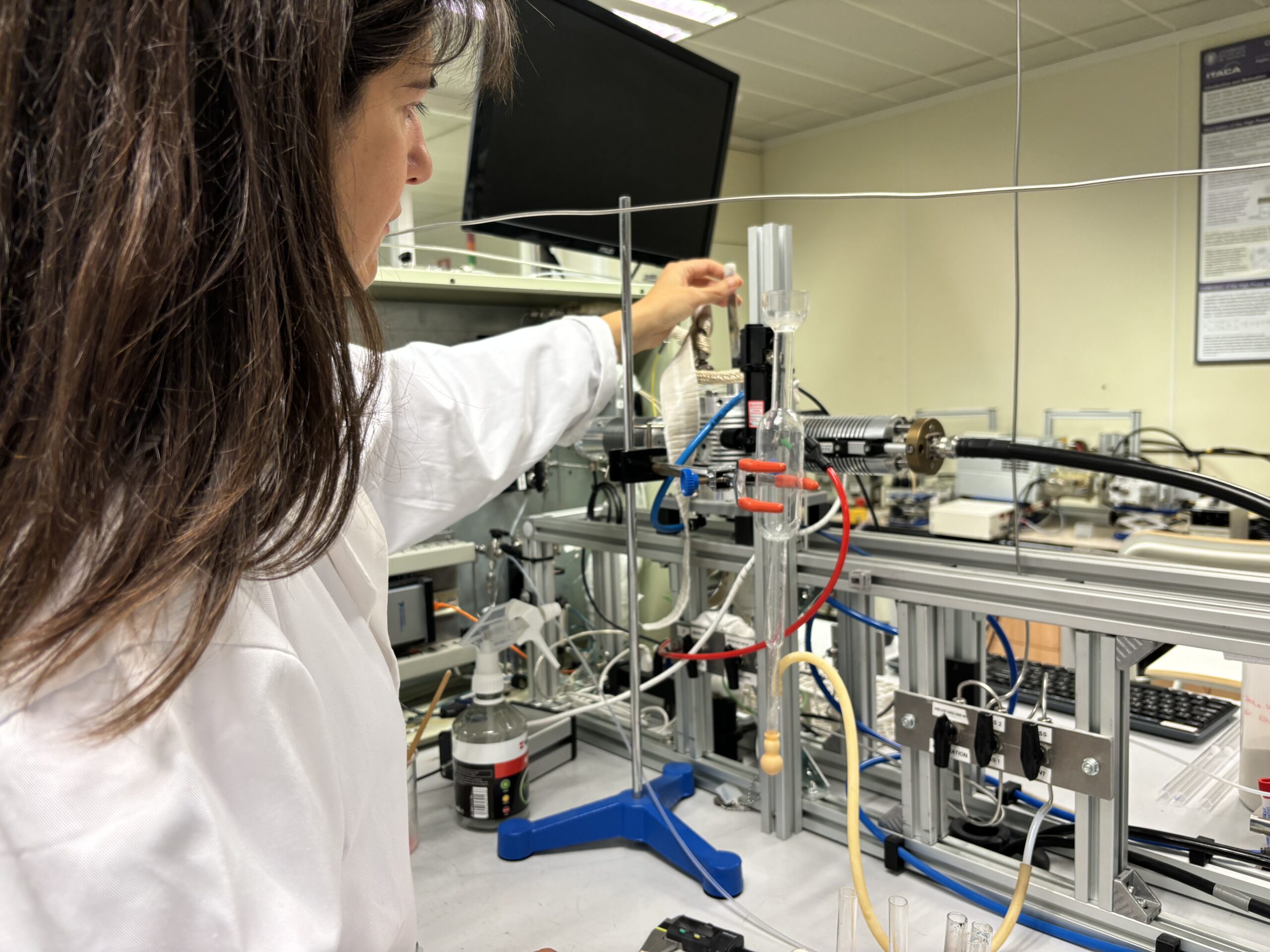
The researchers analysed two lunar regolith simulants representing material from the lunar plains and highlands. Their objective was to determine the materials’ dielectric properties. The simulants were heated from room temperature to their melting point under a nitrogen atmosphere. The researchers found that microwave heating enables lunar regolith to absorb energy more efficiently and much faster than conventional heating methods. As a result, microwave-assisted melting not only improves energy efficiency but also significantly accelerates the process, making it possible to produce high-quality construction materials more effectively.
José Manuel Catalá, Director of the DIMAS-ITACA Laboratory and co-author of the study, added: “In addition to optimising energy consumption, microwave heating accelerates the melting and densification of lunar regolith because it heats the material from within.”
The study was funded by the ViceRectorate for Research at the Universitat Politècnica de València (UPV) through a PAID-06-24 First Research Projects Grant.