MW Measurement Techniques

Mineral Detection by Microwave Microscopy (Sensors, 2022)

Take a look at our new development for the characterization of rocks published in the paper ‘High-Resolution Detection of Rock-Forming Minerals by Permittivity Measurements with a Near-Field Scanning Microwave Microscope,’ available since January 2022 in Sensors.

Our research introduces a portable near-field scanning microwave microscope (NSMM) that allows non-invasive and non-contact measurements of the permittivity maps of rocks, which is probably the most relevant parameter needed to develop more efficient, fast, and eco-friendly microwave-based processes in the rock industry. …

Mineral Detection by Microwave Microscopy (Sensors, 2022) Read More »
Portable Waveguide Impedance Measurement System

Microwave parameters such as dielectric properties, power, reflection, impedance, and frequency are essential during the microwave processing of materials. Both off-line and on-line measurements of these parameters can offer unique control capabilities, which might be critical for the successful application of microwave technologies.

There is commercially available equipment capable of performing most of these microwave measurements, such as network analyzers, spectrum analyzers, microwave counters, dielectric properties fixtures. However, most of this equipment is designed for laboratory use and requires specialized operators. Additionally, the cost of commercial network analyzers, while acceptable for telecommunications engineers, is often prohibitive for microwave power industrialists.

Microwave industrial processes require equipment specifically designed for industrial conditions: simple, robust, and affordable, while retaining a useful subset of their regular functionality.

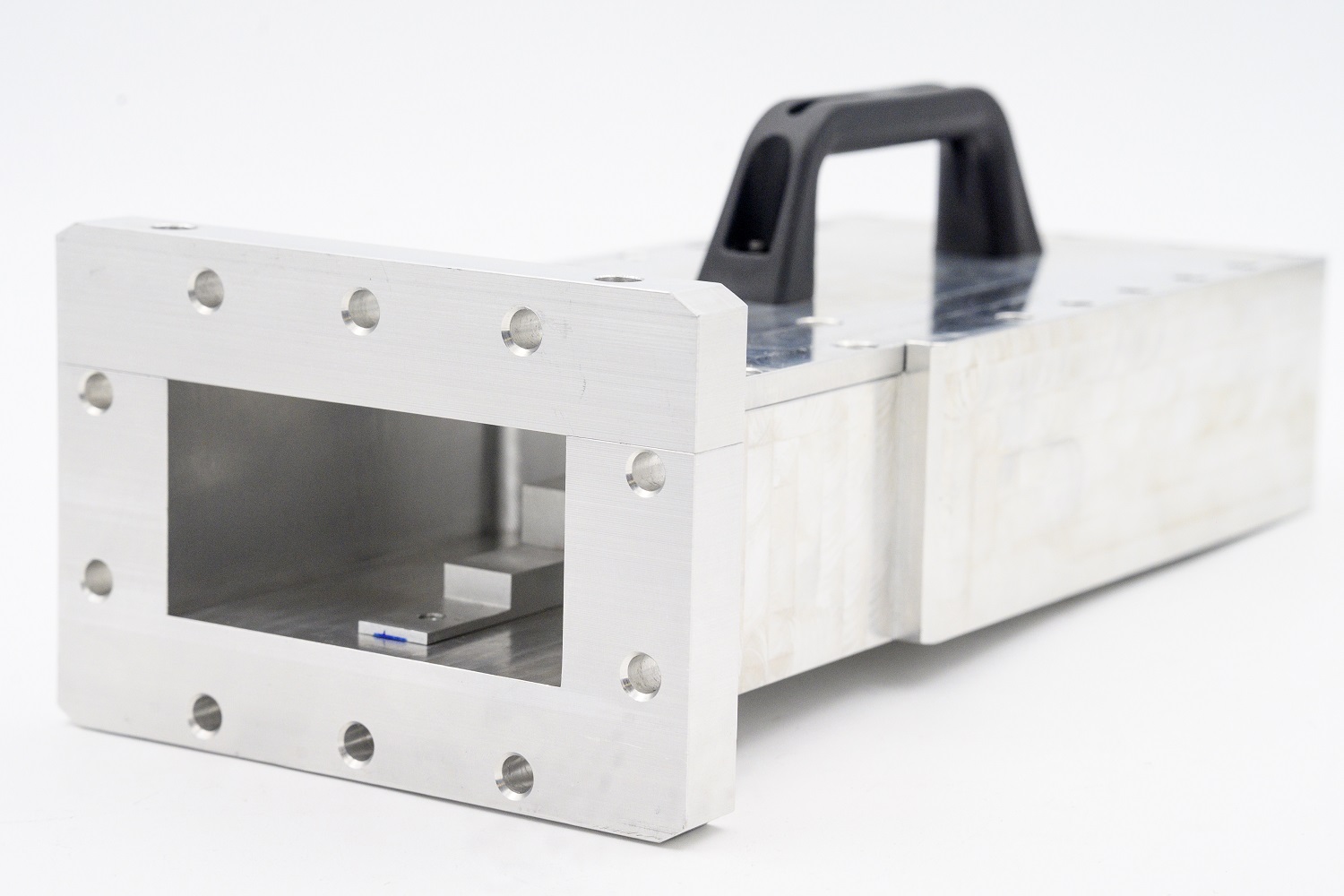
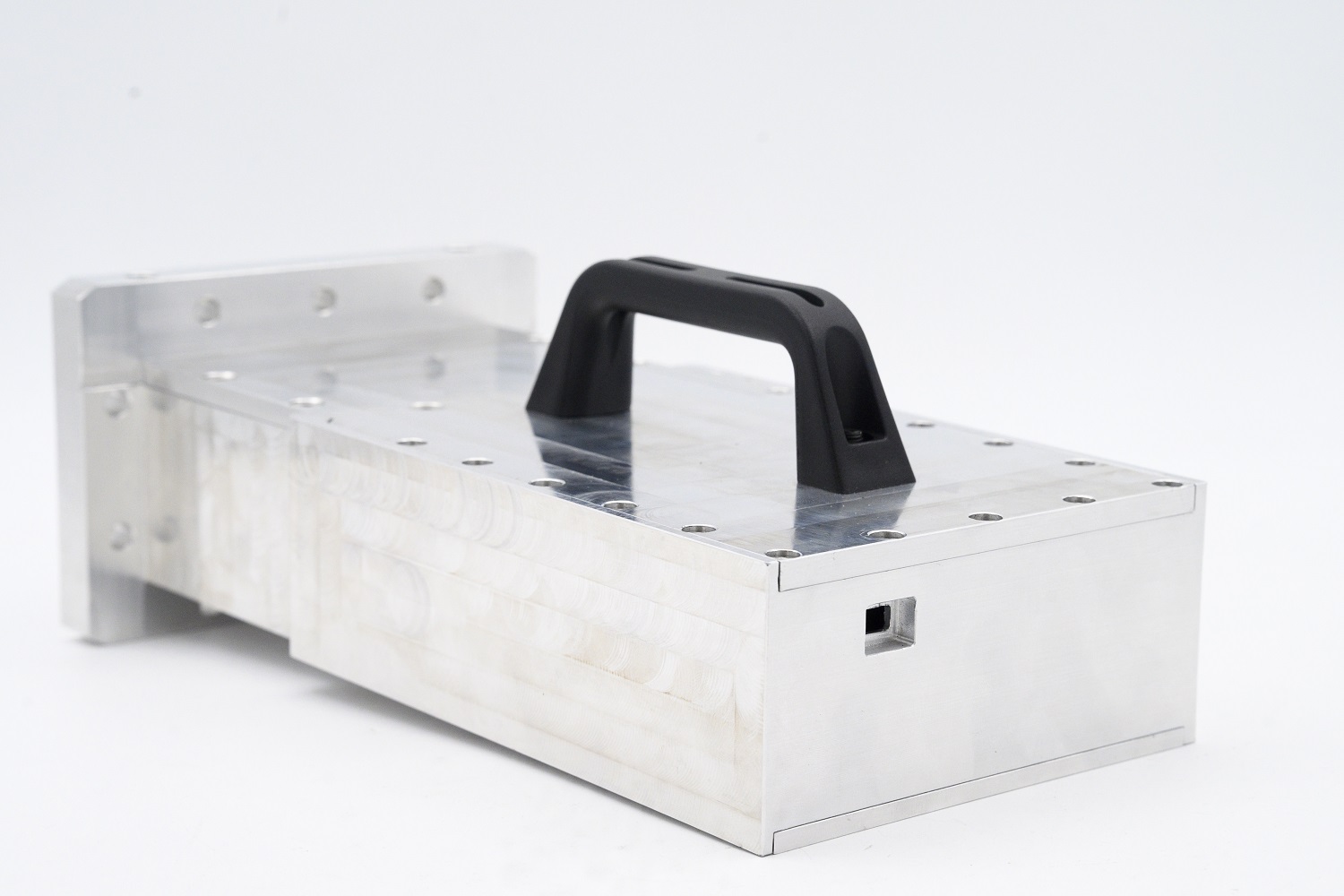
The Portable Low Power Vectorial Waveguide Reflectometer is a compact instrument designed for off-line magnitude and phase measurements of impedance or reflection (S11) in a standard WR340 rectangular waveguide around the IMS frequency of 2.45 GHz. This equipment offers a complete solution for network evaluation, including all necessary components for the generation, separation, control, and analysis of microwave signals, along with the display of results.

Figure 1. Picture of waveguide low power Vector Reflectometer around 2.45 GHz.

Portable Waveguide Impedance Measurement System Read More »

High Power Waveguide Impedance Measurement System (HiPoM)

Microwave processing is a dynamic process where the properties of the processed workload change with time. Microwave parameters as dielectric properties, reflection, power balance, impedance, and frequency, etc. also experiment changes during the application of high-power microwaves.

On-line measurements of these microwave parameters can offer unique control capabilities, which might be critical for the successful application of microwave processing. Microwave industrial processes require specifically designed equipment to be used according to industrial conditions: high power, simple, affordable and robustness, while retaining a useful subset of their current functionality.

The HiPoM is a High-Power Vector Waveguide Reflectometer (1-port Network Analyzer) able to measure in real time the magnitude and phase of the impedance or the reflection (S11) at microwave frequencies (915 MHz , 2.45 GHz or 5.8 GHz) during the application of high power microwaves. Additionally, the HiPoM measures the frequency of the microwave source (magnetron or solid state) and the absolute incident, reflected and absorbed microwave power.

Typical applications include the tuning or adjusting a microwave applicator and also the monitoring of the evolution of a microwave heating process.

Figure 1. Picture of waveguide high power Vector Reflectometer around 2.45 GHz and 915 MHz.

High Power Waveguide Impedance Measurement System (HiPoM) Read More »

Measurement of dielectric properties

Dielectric properties are fundamental parameters that define how a material interacts with a microwave field, and therefore they are essential parameters for designing wireless devices, sensors and microwave processing systems.

To meet the growing demand for fast and accurate measurements and with our experience in measuring the complex permittivity of over hundreds of samples per year, ITACA-DIMAS offers highly precise and reliable dielectric measurement services by utilizing the most suitable measurement techniques according to the material specifications (material type, size, shape, frequency, temperature, etc.).

Dielectric properties can be correlated with properties such: moisture content, density, chemical reaction, structure, curing, bacterial content, etc.

ITACA-DIMAS also offers cost-effective stand-alone highly precise dielectric measurement systems for different types of materials. (see bespoke MW equipment section)

The different methods used for dielectric measurements are described next:

Measurement of dielectric properties Read More »

Microwave cavities and resonators

Microwave cavities and resonators are essential components at microwave frequencies, known for their ability to confine and control electromagnetic energy. Typically made of metal, microwave cavities are designed to resonate at specific frequencies and are characterized by a high-quality factor (Q-factor), which measures their energy storage efficiency. Resonators can take various forms, including cylindrical, spherical, and rectangular, each optimized for different applications.

Beyond communication systems, microwave cavities are used in radar, satellite technology, dielectric and magnetic material measurements, and microwave heating applications. For example, they are core components in microwave ovens, where they generate and sustain high-frequency electromagnetic fields to heat materials.

With extensive expertise in microwave cavities and resonance measurements, ITACA-DIMAS offers on-demand design and precision manufacturing of microwave cavities. These are tailored for accurate dielectric or magnetic measurements, sensors, or microwave processing of materials to meet specific requirements.

Microwave cavities and resonators Read More »

Scroll to Top